
 Current Issue PDF
Culture
Yesteryears: Aug. 15, 2026
2021 — The Tribe’s 477 Employment and Training Program was nominated by the Northwest Region Bureau of Indian Affairs Workforce Development Division for a specialist award. The award recognized 477 programs established by various Tribes across Oregon, Washington and Idaho and was the first time Grand Ronde’s program had been nominated.
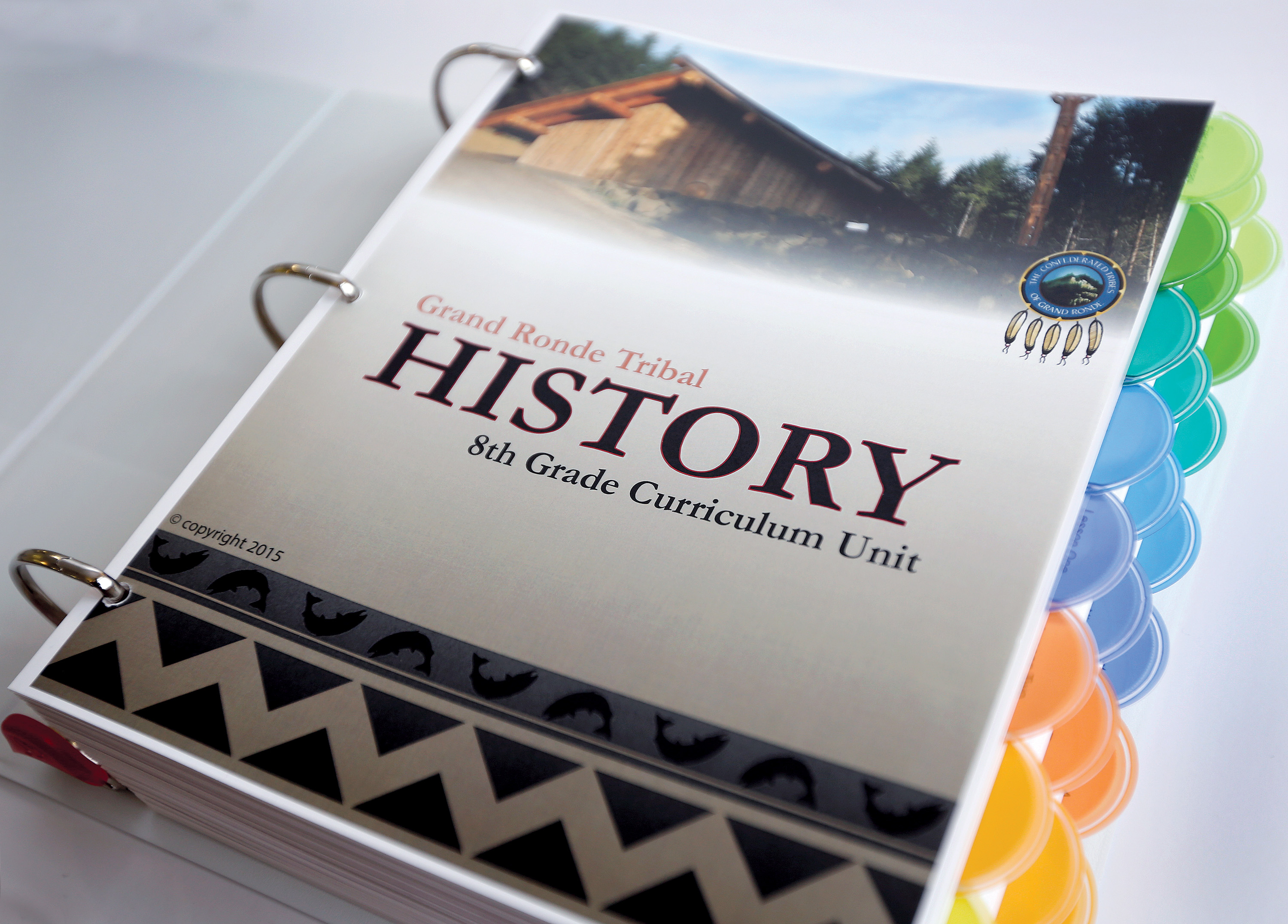
2016 — After two years of developing materials for it, the Tribe’s eighth-grade Tribal history curriculum was released to the public and shared with Oregon schools. The curriculum consisted of 17 lessons that provided information about the Tribe’s history, including time before Termination, Restoration, Tribal sovereignty, the Tribe’s Trail of Tears, Tribal laws and treaties, the Tribal court system, Tribal language, basketry, the achaf-hammi plankhouse and Canoe Family.
2011 — The Tribe flew its flags at half-mast in honor of the life of U.S. Sen. Mark Hatfield. Hatfield, along with U.S. Rep. Les AuCoin, introduced legislation that restored the Tribe to federal recognition. Later, they brought forward legislation to establish the Grand Ronde Reservation Act, which returned 9,811 acres of original reservation land to the Tribe. “For the Confederated Tribes of Grand Ronde, Sen. Mark Hatfield valiantly and steadfastly supported our Tribal Restoration from beginning to end,” Tribal Chairwoman Cheryle A. Kennedy said. “There was no question in the senator’s mind that Termination was a grave injustice that needed to be corrected.”
2006 — Tribal Council approved the implementation of the Veterans Disability Compensation program. The program provided supplemental income to disabled veterans ages 18-54 who were determined to have become disabled during active duty. Veterans also needed to be receiving compensation from the Veterans Administration and fall within Tribal income guidelines to qualify. Veteran Tribal Elders who were 55 and older did not qualify due to already receiving Elder’s Pension or Elder SSI/SSD.
2001 — The Tribe established an appeals court and encouraged lawyers, non-lawyers and all Tribal members to visit and use the court. Tribal Court spent several months studying appellate rules used by other Oregon Tribes, the Oregon Rules of Appellate Procedure and federal appellate rules to determine which rules would best serve the Tribe. The court did not adopt any rules that referenced admiralty or maritime claims, jury trials, class actions, shareholder lawsuits or court-appointed experts.
1996 — The Tribe was in the process of developing 11 acres of land across from the Tribal cemetery into a manufactured housing park. The park would contain 37 housing lots, with lots leased to Tribal members who would then purchase their own manufactured homes to place within the park. During development of the site, the Tribe discovered 1.3 acres of wetlands, requiring the Tribe to apply for a permit from the U.S. Army Corps of Engineers to build on the wetlands.
1991 — New procedures and criteria for adults and minors seeking enrollment in the Tribe were established. In addition to possessing at least 1/16 blood quantum of Indian blood and providing documentation proving descendancy from a Tribal member, applicants needed to demonstrate “close economic and social ties to the Grand Ronde Tribe,” by actively attending Tribal functions and gatherings. These changes were set to take effect Jan. 1, 1994.
1986 — The Tribe held its second annual powwow. The powwow committee raised at least $944.29 in funds. Raffle prizes included a Pendleton blanket, kachina dolls, a 10-inch black-and-white TV, a wall clock, wall hangings, shawls and an upholstered wingback chair. All raffle tickets cost $1.
Yesteryears is a look back at Tribal history in five-year increments through the pages of Smoke Signals.