
 Current Issue PDF
Tribal Government & News
Tribal delegation lobbies for land transfer, against off-reservation gaming, sea lion measure
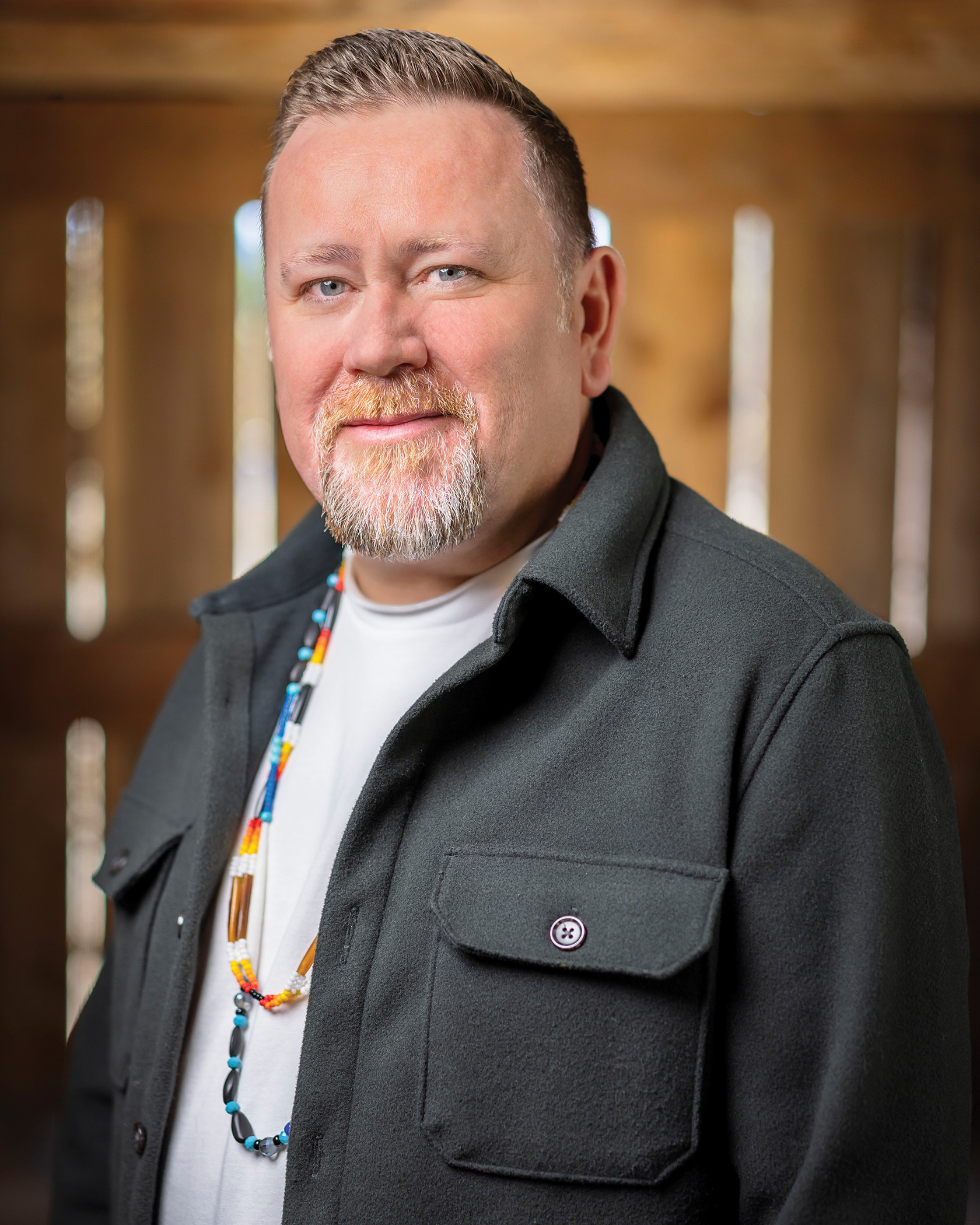
By Nicole Montesano
Smoke Signals staff writer
The Siuslaw National Forest has gone essentially untended for some 40 years, Tribal Council member Pete Wakeland said. Now, the Tribe is seeking a congressional bill to transfer 18,628 acres to the Tribe, which plans to reinvigorate the forest with the same management style that has made its own reservation forest a hallmark of sustainability.
The Tribe has secured support from Yamhill, Tillamook and Polk counties, and last week, Wakeland and Tribal Council member Toby McClary traveled to Washington, D.C. along with Tribal Attorney Kim D’Aquila, to talk with the state’s congressional members about the transfer, along with the nationwide Tribal concern about off-reservation gaming.
“You’ve got all these acres that are just stagnant,” Wakeland said. “It’s single structure forest. It’s dense; it doesn’t provide great habitat. The roads haven’t been maintained. If the Tribe gets this land, we can manage it. We can create better habitat, better transportation up there; overall, it’s going to be a benefit; not a detriment. Grand Ronde has the capacity to do this. We’ve got a great Natural Resources forestry staff; we can actually do this.”
The trip came up suddenly, McClary said, because the Tribe had for some time been seeking a meeting with Assistant Secretary of Indian Affairs Billy Kirkland, who reached out with a suggested meeting date to discuss off-reservation gaming.
“We wanted to meet with him and his staff regarding upcoming strategies as it relates to Indian gaming,” McClary said. “It really was about trying to get a read on the newly appointed assistant secretary’s position on off-reservation gaming and to try and understand where his office is headed as it relates to that.”
The growing trend toward off-reservation gaming has caused alarm among Tribes across the country, who say it could lead to a loss of sovereignty.
“Unfortunately, we didn’t really get that,” McClary said. “It’s a very controversial topic and I think that the assistant secretary realizes that … it seemed as if there is a lot of work to be done for his office, and they are working through that currently.”
Nonetheless, McClary said, “I always feel great coming home from Washington, D.C. It’s not always responsive or the answers we were hoping for, but it is meaningful and building the relationship with our congressional delegates is something I feel is important. … those are some of the most important relationships we can have in terms of strengthening and building our sovereignty.”
While the group was there, they took advantage of the opportunity to meet with staff working for Oregon’s senators and representatives to talk about the proposed Siuslaw Forest land transfer. Wakeland, who arrived a day earlier than McClary, also took the opportunity to discuss a proposed bill expanding the ability for some southwest Washington Tribes to kill sea lions.
The Tribe is hoping Sen. Jeff Merkley will introduce the land transfer bill before Congress adjourns for its August recess, Wakeland and McClary said, and came away encouraged about the possibility.
The Tribe would like to get the bill before a hearing in September or October, Wakeland said.
“There was no real opposition to it,” he said. “The only concern we’ve heard is that needed to remain open to the public and it would be, just like the reservation is; anyone can go up there.”
Wakeland noted that the Tribe has spent decades improving the forestland on the reservation and expanding habitat for wildlife. In addition, he said, it has been able to expand spawning habitat for salmon, in part by replacing culverts that were blocking fish passage. He said he expects the Tribe will similarly improve habitat and diversity in the Siuslaw National Forest. The Tribe’s statement on the transfer says that under its management, “these lands can become a healthy working forest for fish and wildlife, timber, fire resilience and recreation for all Oregonians.”
However, Wakeland said, the Tribe does not support a bill to expand the ability of southwest Washington Tribes to kill sea lions and other mammals in the Columbia River. House Resolution 9621 would expand the ability to use lethal means against sea lions to include harbor seals and expand the area in which they may be killed. Some advocates argue that salmon are primarily endangered by ocean and river conditions and by dams impeding their spawning grounds.
Wakeland said that current measures are working and the measure isn’t needed.
“What’s strange to me is that they’re putting this forward and it doesn’t include any Oregon Tribes,” he said. “And what happens on the Columbia River impacts what happens at Willamette Falls, which in turn impacts what happens on our reservation, because a certain percentage of fish that come over the falls come up into our reservation, and that concerns us. Our hope really at this point is that this thing doesn’t go anywhere. … The Tribe works with ODFW and it’s working. So, (the bill) doesn’t need to move further and if it does look like it’s going to go further, there needs to be some bugs worked out.”