
 Current Issue PDF
Culture
Tribe names Indigenous Place Keeping Artist Fellows
By Nicole Montesano
Smoke Signals staff writer
The Tribe has selected three artists for its Indigenous Place Keeping Artist Fellows for 2026.
Grand Ronde Tribal members Joseph Ham and Shasta Byington, as well as Siletz Tribal member Gabby Severson, are continuing a tradition begun in 2022 to support Native artists and broaden opportunities for them. Poetry, music, quilting, beading and photography are among their accomplishments.
“For some of the IPKA Fellows, this is their first significant funding support, while for others it's a career highlight within their distinguished practice,” Tribal Arts Administrator Mack McFarland said. “In both cases, the IPKA Fellowship focuses on artistic development in any stage of a creative practice. In five years, the Indigenous Place Keeping Artist Fellowship has supported 12 artists including the three from this year. Those artists have produced one act plays, ceremonial basket caps, children's books and a plethora of other projects all rooted within place-keeping, meaning holding space for Indigenous lifeways, within the Grand Ronde Tribe’s homelands. I am thrilled to be able to support such a dynamic group of artists and am looking forward to enhancing the program in future.”
The fellowship was created in 2022 and provides up to $20,000 to each selected artist. The intent is to develop Indigenous artist capacity within the Grand Ronde Tribe’s homelands and to help the fellows become more competitive for local, regional and nationwide funding opportunities.
The fellowships are open to individuals who demonstrate a verifiable Indigenous connection to ancestral peoples of western Oregon from the lower Columbia River in the north to the Klamath River in the south. Fellows are selected based on available funding and the fellowship is administered by the Tribe’s Cultural Resources Department. A call for applications is made each fall.
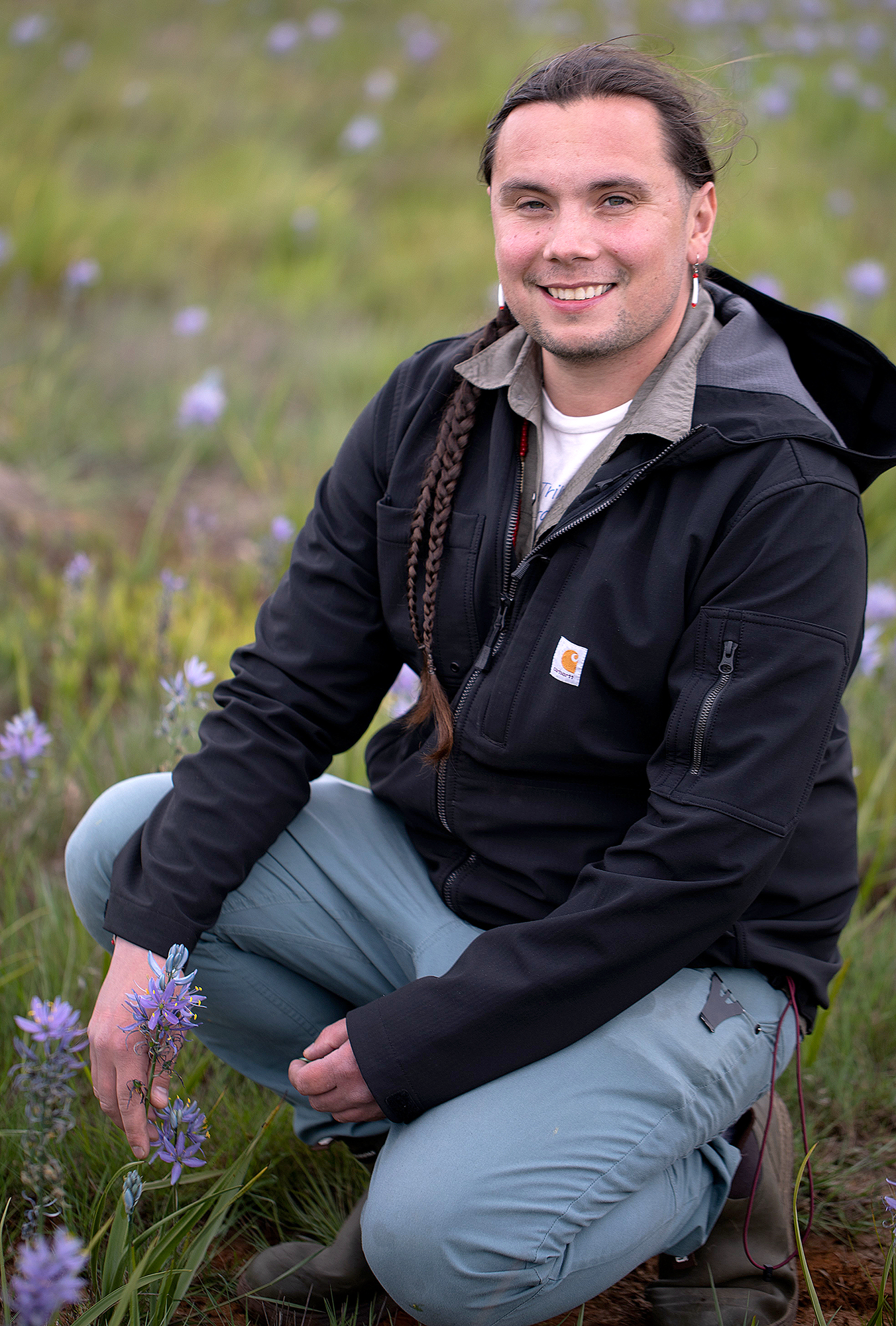
Ham, who works as the Native Plant Nursery assistant in the Tribe’s Natural Resource Department, is a descendant of Santiam, Takelma and Tututni peoples, from the Hudson and Dowd families of Grand Ronde.
Ham, who previously worked at Chachalu Museum and Cultural Center as well as the Chinuk Wawa language program, is a musician and poet. He has shared his work with the Arts Alliance of Yamhill County and The Nature Conservancy. He has also done readings at Chehalem Cultural Center and Portland Institute for Contemporary Art.
“It is deeply honoring to be seen by my community as one of this year’s fellows, giving me the encouragement and resources to solidify that I am where I am supposed to be in this work,” Ham said.
Byington is a quilt maker who said her first memories of sewing were with her mother.
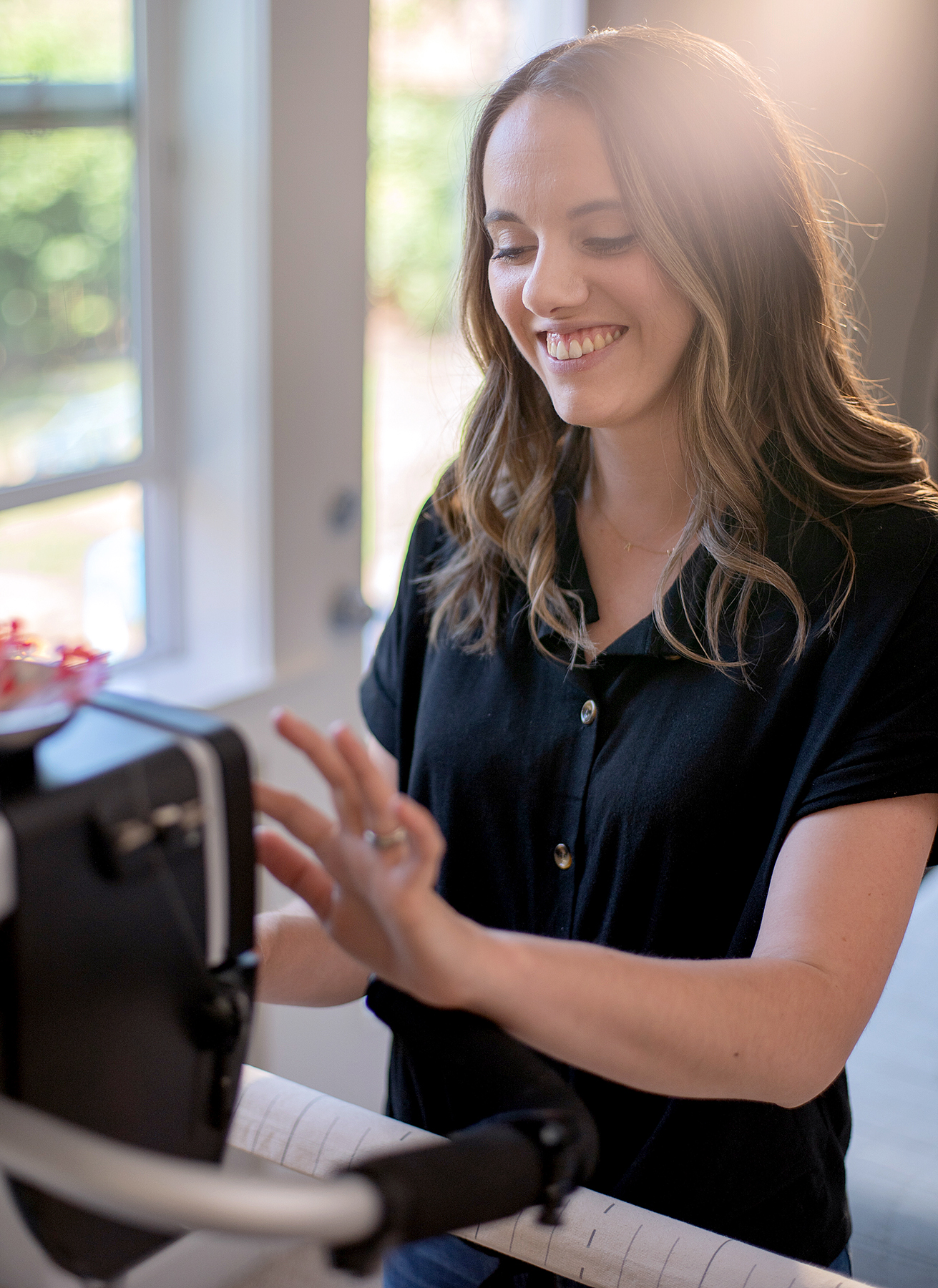
Grand Ronde Tribal member Shasta Byington
“I watched her sew at the dining room table as a child and eventually she began teaching me how to do it myself,” she said. “My first project was a simple pillowcase. … I watched my mom sew my regalia for powwows including when I participated in Grand Ronde Royalty. It wasn’t until I was an adult and was pregnant with my first child that I truly became interested in quilting. As a first-time mom I wanted to make my son his own baby blanket. Knowing the basics of sewing, I was able to pick up a kit and piece together the first of many quilts. Shortly after we had our second child, I decided to take it a step further and start a small business working on other people’s quilts with my own longarm machine. I’ve now quilted over 500 client projects and several dozen of my own.”
Byington said she loves the work because “Quilting is a way to express myself through color, blocks and patterns. Each quilt I make is unique and typically made with a purpose in mind. Some patterns are more nature inspired where others are more modern quilting.”
She said she is excited for the fellowship opportunity because of choosing a project that will push her beyond her current skill set.
“I will be creating my own pattern for the first time, learning many new techniques along the way,” Byington said. “This challenge will stretch me as an artist and encourage growth in my craft.”
For the fellowship, she said, she plans to create a throw-size quilt top that translates woven-form basket designs into sewn, pieced textile work.
“This piece will honor the design traditions of basket weaving while exploring their expression through quilting,” she said. “Being an IPKA Fellow will give me the space to create something entirely my own for the first time and to deepen my connection to this work while trusting my voice as an artist. I am incredibly excited and honored to have this opportunity and to create something that can be shared with and appreciated by my community.
Severson has ancestral ties to the Joshua, Chetco, Yamhill, Mikonotunne, Galice Creek and Molalla bands. She works with photography, beadwork, basketry and sculpture, including themes of identity, memory and culture, drawing inspiration from her Siletz heritage.

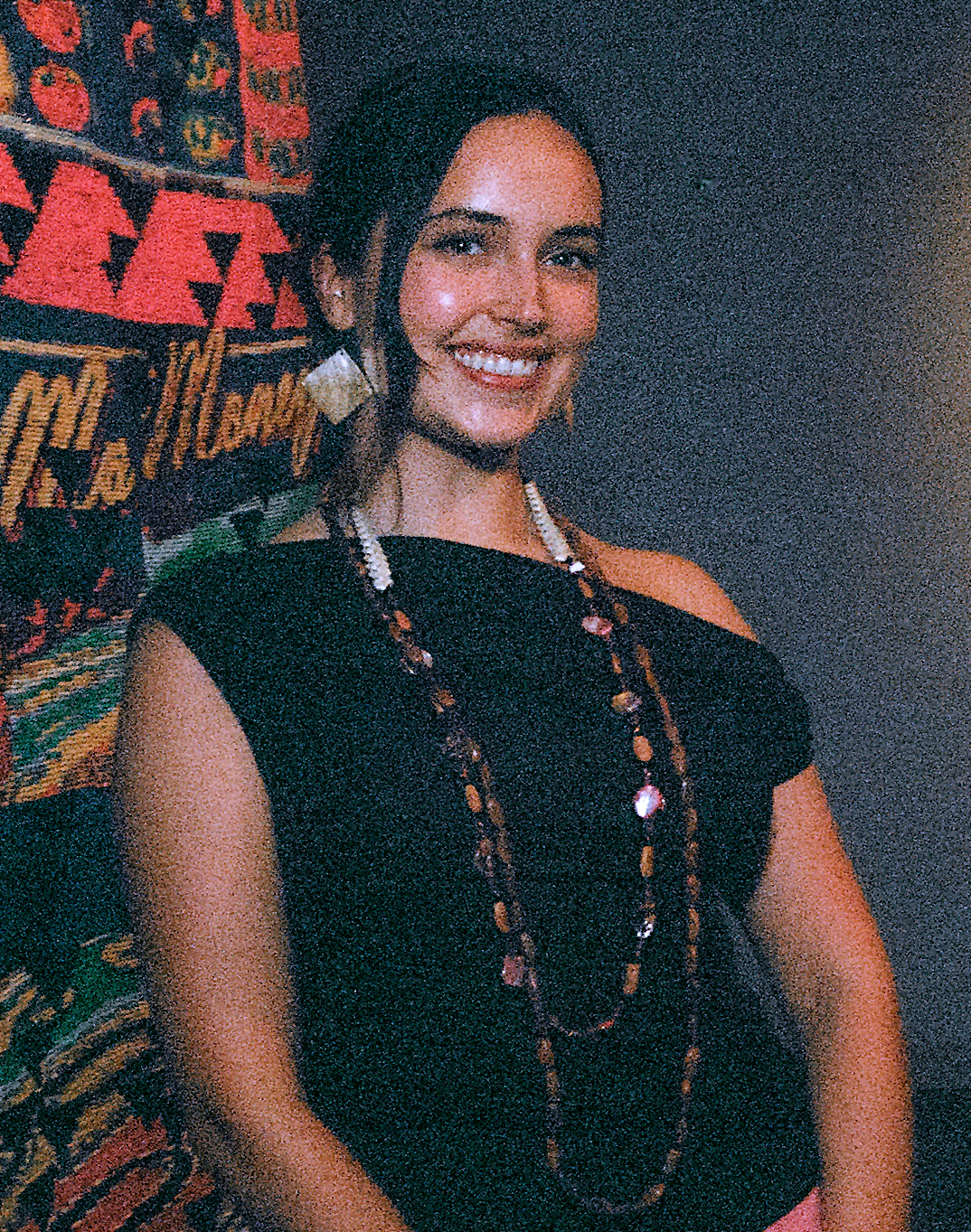
Siletz Tribal member Gabby Severson
Severson said she plans to create large-scale bead weaving that will be transformed into a site-specific billboard for one month on Highway 101 near the coast. For this project, she is examining Indigenous travel routes and heavy coastal tourism, noting a lack of representation of her Tribe and other Native communities.
“Being selected as an IPKA Fellow is an incredible honor and places me in the legacy of Indigenous creatives whose work I deeply respect,” she said. “What makes this fellowship especially meaningful to me is its commitment to both traditional knowledge and contemporary Indigenous art practices. That balance reflects the core of my own work and affirms the path I am building. As an IPKA Fellow, I can bring ideas to life that previously felt out of reach. This opportunity gives me the time, space and resources to deepen my creative process, take risks and expand the scale and ambition of my work. More than anything, this fellowship supports my hopes of continuing to grow as an Indigenous artist.”