
 Current Issue PDF
Health & Education
Food sovereignty pilot faces uncertain future
By Alexander Bliven
Smoke Signals intern
The Native Farm Bill Coalition, an alliance of Tribal governments and Native agriculture advocates, is urging the U.S. Senate to restore a food sovereignty pilot program left out of the House version of the Farm, Food and National Security Act of 2026 bill, according to Tribal Business News.
The Food Distribution Program on Indian Reservations, a self-determination pilot program, allows participating Tribes to avoid relying solely on the U.S. Department of Agriculture for food shipments and instead directly purchase local and traditional foods for federal food distribution programs.
Advocates believe the pilot’s removal from the bill is the result of a disputed 2024 Congressional Budget Office estimate which projected that permanently authorizing and expanding the program for additional Tribal participation would cost more than $380 million over 10 years.
Currently, only 16 Tribes and Tribal organizations participate in the pilot. Though it is not a participant in the food program, the Confederated Tribes of Grand Ronde is one of more than 170 members of the NFBC.
Participating Tribes say the FDPIR pilot has improved their access to culturally relevant foods, strengthened their food sovereignty and helped them secure food during supply-chain disruptions. If included within the Senate version of the bill, House Agriculture Committee staff have stated they would not be opposed to the provision.
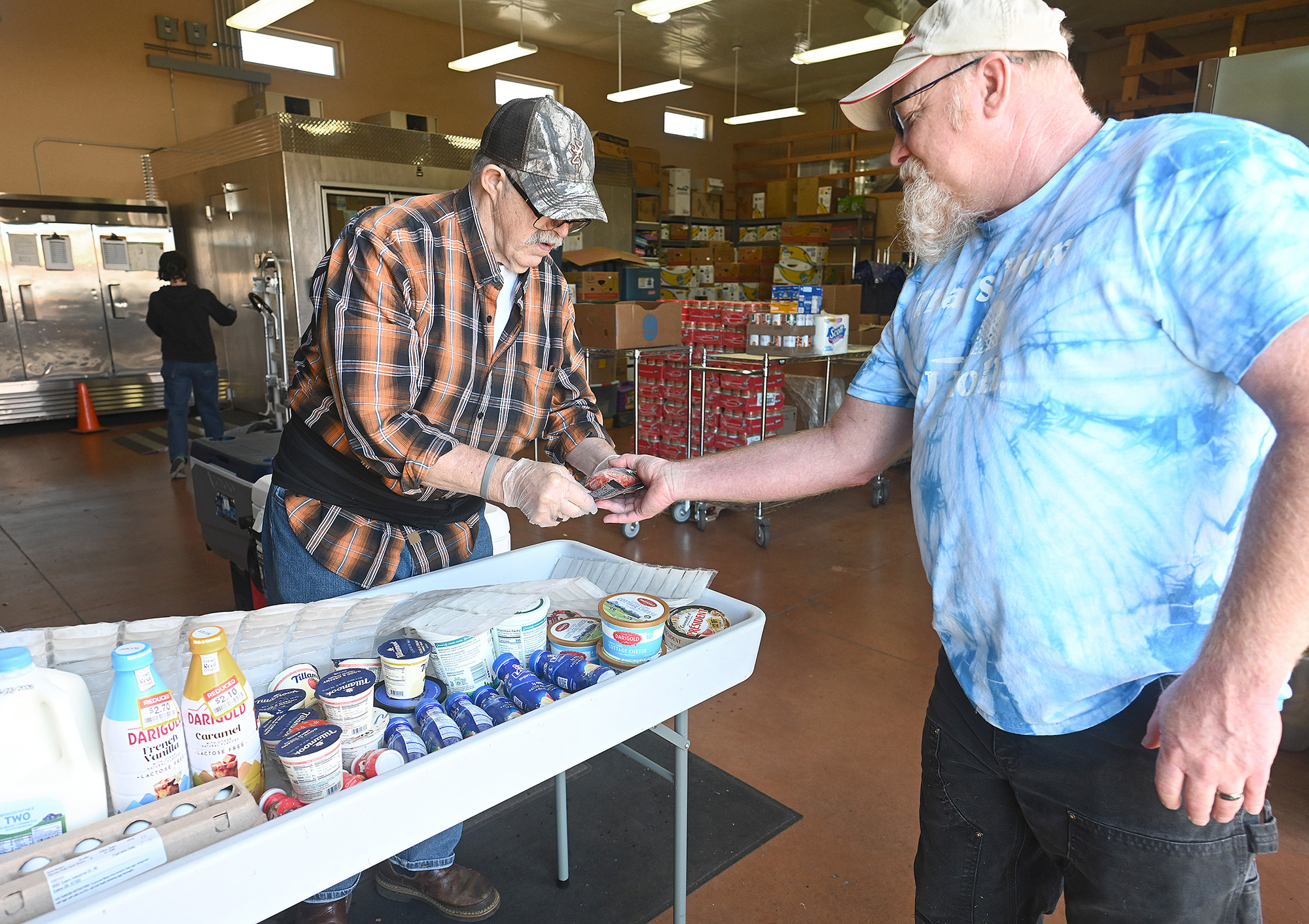
On the Tribal campus, the Grand Ronde Food Bank — iskam mǝkʰmǝk-haws, a partnership between the Tribe and Marion Polk Food Share, distributes foods to Tribal members and collaborates with the Tribe’s Native Plant Nursery to provide Native plants, including camas, yampah and brodiaea.
Grand Ronde Food Bank Coordinator Francene Ambrose said the collaboration has been positive.
“We provide free buckets, soil and seeds and plant starts to our participants so they can grow these foods at home,” she said. “It’s been a great opportunity for us to educate Tribal members in our local community about these plants, the importance of them, the role they play and how they can learn to care for them … and then provide them to their families.”