
 Current Issue PDF
Culture
Warrior camp builds new bonds, leadership skills for Native youth
By Alexander Bliven
Smoke Signals intern
Laughter and excitement filled the air at the uyxat Powwow Grounds as Native youth from across Indian country gathered among tents, tipis and achaf-hammi, the Tribal plankhouse, for the annual Native Youth Wellness Warrior Camp. The four-day event held Monday-Thursday, June 22-25, focused on leadership development, cultural connections and promoting physical and mental well-being in Tribal youth.
Hosted by the Confederated Tribes of Grand Ronde and facilitated by the Native Wellness Institute in partnership with Native American Therapeutic Horsemanship, the camp serves youth across Indian Country ages 12-18 through hands-on activities, workshops and traditional teachings designed to be both educational and fun.
Founded in 2000, NWI promotes Native-centered approaches to healing and leadership development and describes the camp as an opportunity for youth to develop skills needed to support their physical, mental, emotional and spiritual well-being. The organization also emphasizes the “Warrior’s Spirit” philosophy of being positive, productive and proactive while encouraging participants to consider the impact of their choices on future generations.
Topics discussed at the camp included Native wellness, youth leadership, establishing healthy relationships, culture and spirituality, healing from grief, forgiveness and letting go, and traditional fitness.
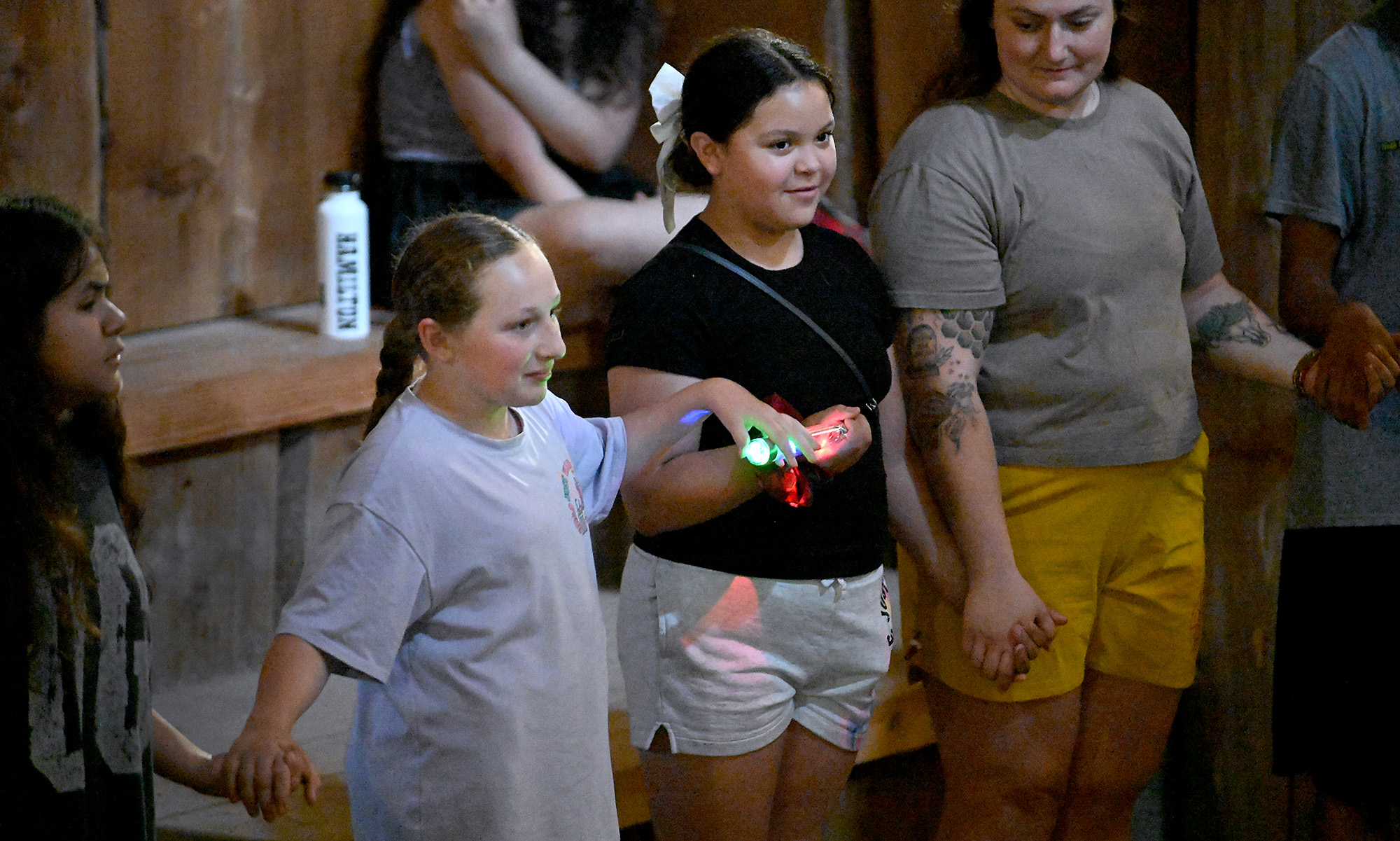
During one gathering, youth stood hand-in-hand in a circle around the central fire pit inside the plankhouse as staff emphasized the importance of connection and community.
Youth were also encouraged to bring items of cultural significance to share with their peers. Objects, songs, dances and stories were all welcomed during the camp’s cultural sharing activities.
Tribal Youth Prevention Manager Amber Zimbrick has seen the positive influence the camp leaves on Tribal youth.
“It’s been a really great experience to witness all of the youth not just in our community, but all the other communities come together,” she said. “Everyone comes and they’re maybe a little timid or scared or shy and then you see people start making relationships, building their confidence and taking healthy risks.”
Tribal Native Connections Coordinator Keri Kimsey said she is proud to see youth not just from Grand Ronde but other communities show kindness and understanding to one another. She added that placing participants in an unfamiliar environment has encouraged them to step out of their comfort zones and engage with each other. The experience, she said, is one of the most rewarding aspects of the camp.
Angel Matthews, a participant and Grand Ronde youth, said her time at the camp had been “new and interesting” and that she got to build a tent for the first time. When asked about her favorite part of the camp, she didn’t hesitate.
“The ponies! The ponies!” Matthews said.
Another participant and Grand Ronde youth, Ila Mercier, said her experience had been “really good,” and that she also enjoyed meeting the camp’s horses, as well as making tea and singing songs.
Tribal youth Gabe Langley said that meeting new people in a different environment had been “a little awkward,” but that he met some new friends there; one had come from Washington state and another from North Dakota.
When asked if they would recommend the camp to other Tribal youth, all three said yes because it had been a great opportunity to receive support from the Native community and to meet new people. The youth said that if there was one thing that they would take away from the camp, it would be the new bonds and friendships they made.
The camp concluded with a closing giveaway ceremony, where participants shared items from their home territories with their fellow campers as a sign of goodwill and to honor the new connections forged during the week. The gifts could be anything from traditional craft items to mugs, T-shirts or even something as simple as a rock.
Zimbrick said witnessing youth engage in camp activities has given her lessons to reflect on as well.
“The amount of youth who haven’t been afraid to take a healthy risk or to speak up or share something [has] been really encouraging,” she said. “It’s even been a learning growth opportunity for me … to watch how easy it is for youth to become vulnerable. That’s been something I’ve really enjoyed watching and a reminder for me to continue to do that even for myself as an adult.”
With many youths facing increased anxiety about the future, Zimbrick believes programs like the NYWWC are important for Native youth today.
“It’s again a reminder of just who we are as Native people and who we’ve always been and an opportunity to come together and to just be and not feel scared or ashamed,” she said. “And to remember that Creator created you for a reason and a purpose and you’re here for a reason and a purpose.”